
The Gut Microbiome: The “Invisible Organ” That Can Influence Digestion, Immunity and Weight
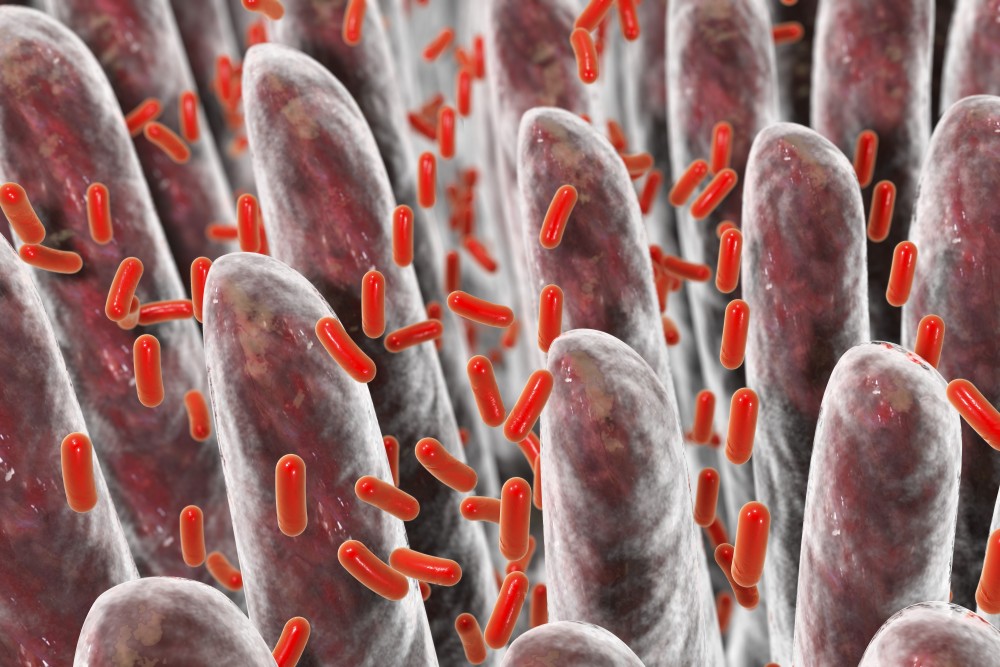
The gut microbiome is one of the most important topics in modern medicine. Although we cannot see it or feel it directly, it influences digestion, immunity, metabolism, inflammation and even our overall sense of well-being every day.
The microbiome refers to the totality of microorganisms living in the gut: bacteria, fungi, viruses and other microscopic forms of life. These microorganisms form a complex ecosystem that is in constant communication with our body.
The intestine is not just a tube through which food passes. It is a major regulatory center for health.
Why is the microbiome so important?
A balanced microbiome helps the body digest food more efficiently, absorb nutrients, produce certain vitamins and maintain a healthy intestinal barrier.
The intestinal barrier acts like an “intelligent border”: it allows useful substances to pass through and limits the entry of molecules that may contribute to inflammation. When this barrier is affected, digestive symptoms may appear, but also manifestations at a distance from the gut.
Microbiome imbalances may be associated with:
- frequent bloating;
- constipation or diarrhea;
- irritable bowel syndrome;
- food intolerances;
- unexplained fatigue;
- chronic inflammation;
- difficulties in weight management;
- increased sugar cravings;
- skin problems;
- low immunity;
- mood fluctuations.
This does not mean that the microbiome explains every symptom. But in many situations, it can be an important piece of the puzzle.
How does the microbiome become imbalanced?
The microbiome is influenced by diet, stress, sleep, medications, infections, antibiotics, alcohol, sedentary lifestyle and inflammation.
A diet rich in ultra-processed foods, sugar, poor-quality fats and additives may reduce bacterial diversity. In contrast, a varied diet rich in fiber, vegetables, whole foods and appropriate protein sources supports a more stable intestinal ecosystem.
Stress also plays a major role. The gut and the brain communicate constantly through what we call the gut-brain axis. This is why prolonged periods of stress can worsen digestive symptoms, while intestinal problems can in turn influence emotional well-being.
When should you consider a microbiome evaluation?
A microbiome evaluation may be useful when symptoms persist, recur frequently or are not explained by routine tests.
Many patients come to the clinic after months or years of trying various diets, supplements or treatments without truly understanding what is happening. Some eat “healthy” but still feel bloated. Others eliminate more and more foods until they no longer know what they can safely eat. Others have apparently normal tests, yet they still do not feel well.
In these situations, a personalized approach is essential.
Microbiome testing: not about curiosity, but about orientation
Microbiome tests can provide information about the composition of the gut flora, bacterial diversity, the presence of imbalances and possible directions for intervention.
It is important for these tests to be interpreted medically, in the context of the patient: symptoms, history, diet, blood tests, lifestyle, previous treatments and personal goals.
A microbiome result should not be viewed in isolation. It is neither a label nor a sentence. It is a map. And a map becomes useful only when it is interpreted correctly.
Why does the same diet not work for everyone?
Because we do not have the same microbiome, the same metabolism or the same inflammatory context.
Two people may eat the same food and have completely different reactions. For one person, that food may be well tolerated. For another, it may maintain bloating, discomfort, sugar cravings or inflammation.
This is why, in functional medicine and personalized nutrition, we do not rely only on general lists of “good” and “bad” foods. We try to understand what is happening inside each patient’s body.
Can the microbiome be rebalanced?
In many cases, yes. But not through miracle solutions.
Rebalancing the microbiome requires time, consistency and an adapted strategy. This may include correcting the diet, increasing the intake of appropriate fibers, identifying food intolerances, reducing inflammation, supporting the intestinal barrier, regulating bowel transit, managing stress and, where appropriate, using targeted probiotics, prebiotics or other medical interventions.
The most important thing is for the patient not to get lost in generic recommendations. A good protocol must be realistic, clearly explained and adapted to the patient’s life.
Conclusion
The gut microbiome is an essential part of our health. When it is balanced, it supports digestion, immunity, metabolism and overall well-being. When it is disrupted, it may contribute to symptoms that sometimes seem difficult to explain.
If you experience frequent bloating, bowel transit problems, food intolerances, fatigue, inflammation or difficulties in weight management, it is worth looking toward the gut. Not because the microbiome explains everything, but because it may be one of the missing pieces.
At NutriMedX – Functional and Regenerative Medicine, microbiome evaluation is part of an integrated approach in which the patient is seen as a whole: digestion, metabolism, inflammation, lifestyle and individual needs.
Health often begins where we do not look closely enough: in the gut.
References
Crețoiu S.M. Intestinal Microbiomics in Physiological and Pathological Conditions. In: Advances in Microbiomics. IntechOpen.
— useful chapter for general concepts about the microbiome in physiological and pathological conditions.
Mănciulea M.M., Profir M., Crețoiu S.M. et al. Processed Diets and Food Additives Shape the Gut Microbiota and Chronic Disease Risk Across the Life Course—A Three-Layer Ecosystem Disruption Model (TLED). Life. 2026;16(3):505. doi:10.3390/life16030505.
— this paper is highly relevant for concepts related to ultra-processed foods, food additives, the intestinal ecosystem, dysbiosis and chronic disease risk.
Leonard J.M. et al. Defining the Microbiome Components (Bacteria, Viruses, Fungi). Microorganisms. 2023.
— useful for defining the microbiome as an ecosystem composed of bacteria, fungi, viruses and other microorganisms.
Barko P.C. et al. The Gastrointestinal Microbiome: A Review. Journal of Veterinary Internal Medicine. 2018.
— general review on the gastrointestinal microbiome, microbial diversity and physiological roles.
Belkaid Y., Hand T.W. Role of the Microbiota in Immunity and Inflammation. Cell. 2014;157(1):121–141.
— useful for the role of the microbiota in educating the immune system and regulating inflammation.
Wiertsema S.P. et al. The Interplay between the Gut Microbiome and the Immune System in the Context of Infectious Diseases throughout Life and the Role of Nutrition in Optimizing Treatment Strategies. Nutrients. 2021.
— useful for the relationship between the microbiome, immunity and nutrition.
Takiishi T. et al. Intestinal Barrier and Gut Microbiota: Shaping Our Immune Responses throughout Life. Tissue Barriers. 2017.
— useful for the concept of the intestinal barrier, immunity and systemic health.
David L.A. et al. Diet Rapidly and Reproducibly Alters the Human Gut Microbiome. Nature. 2014;505:559–563.
— supports the statement that diet can rapidly influence the composition of the gut microbiome.
Singh R.K. et al. Influence of Diet on the Gut Microbiome and Implications for Human Health. Journal of Translational Medicine. 2017.
— useful for the section on diet, fiber, Western diet and microbiome health.
Voreades N. et al. Diet and the Development of the Human Intestinal Microbiome. Frontiers in Microbiology. 2014.
— useful for the role of diet in the development of the microbiome throughout life.