
The Microbiome and Endometriosis: Inflammation, Estrogens and the Gut–Pelvis Axis
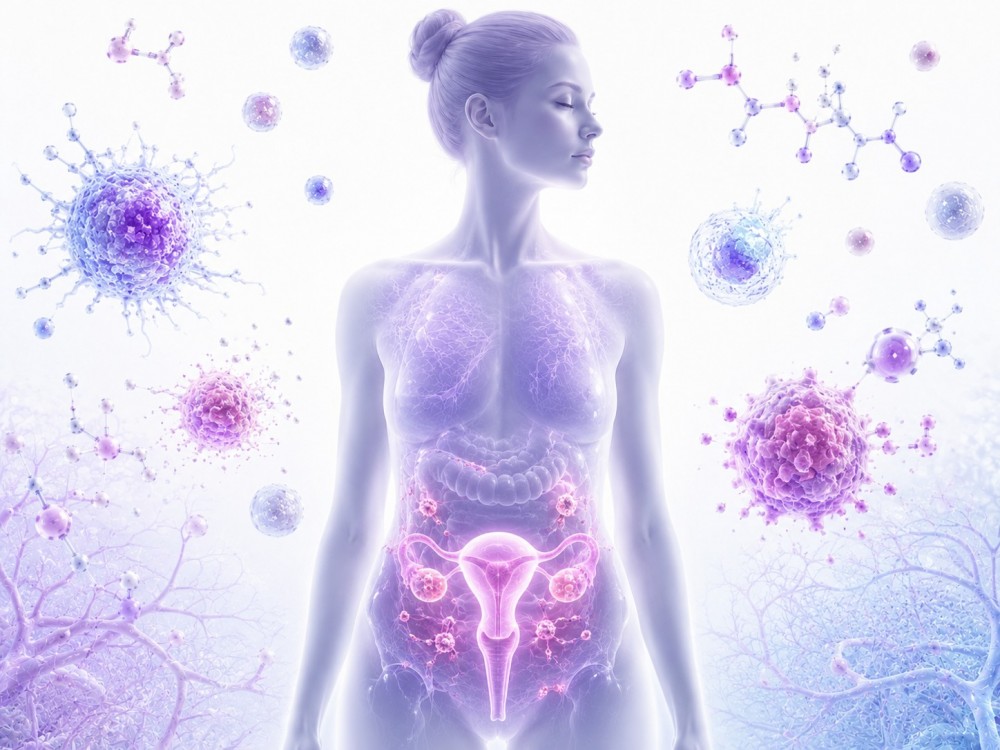
Endometriosis is a chronic inflammatory, estrogen-dependent disease characterized by the presence of tissue similar to the endometrium outside the uterine cavity. Pelvic pain, dysmenorrhea, pain during intercourse, digestive symptoms and infertility may severely affect quality of life.
In recent years, research has begun to view endometriosis not only as a local disease, but as a systemic condition in which inflammation, immunity, hormones and the microbiome may interact. Recent reviews discuss the role of both gut and gynecological microbiota in the pathogenesis of the disease.
An important concept is the estrobolome — the collection of bacterial genes involved in estrogen metabolism. The gut microbiome may influence estrogen recirculation through bacterial beta-glucuronidase activity. Theoretically, an imbalance in this system may contribute to a hormonal and inflammatory environment favorable to endometriosis, although the exact relationship is still being investigated.
Many patients with endometriosis describe digestive symptoms: bloating, constipation, diarrhea, food sensitivity or cyclic abdominal pain. Sometimes these symptoms are attributed exclusively to irritable bowel syndrome, although they may coexist with pelvic inflammation, dysbiosis or visceral hypersensitivity.
Medical management must remain multidisciplinary: gynecology, imaging, pain management, hormonal evaluation and, when appropriate, digestive assessment. Anti-inflammatory nutrition, correction of deficiencies, regulation of bowel transit and microbiome support may be useful supportive components, not replacements for gynecological treatment.
In endometriosis, the gut may be part of the story — not the only culprit, but an important actor in the inflammatory terrain.