
SIBO – Small Intestinal Bacterial Overgrowth: Symptoms, Causes and Personalized Approach
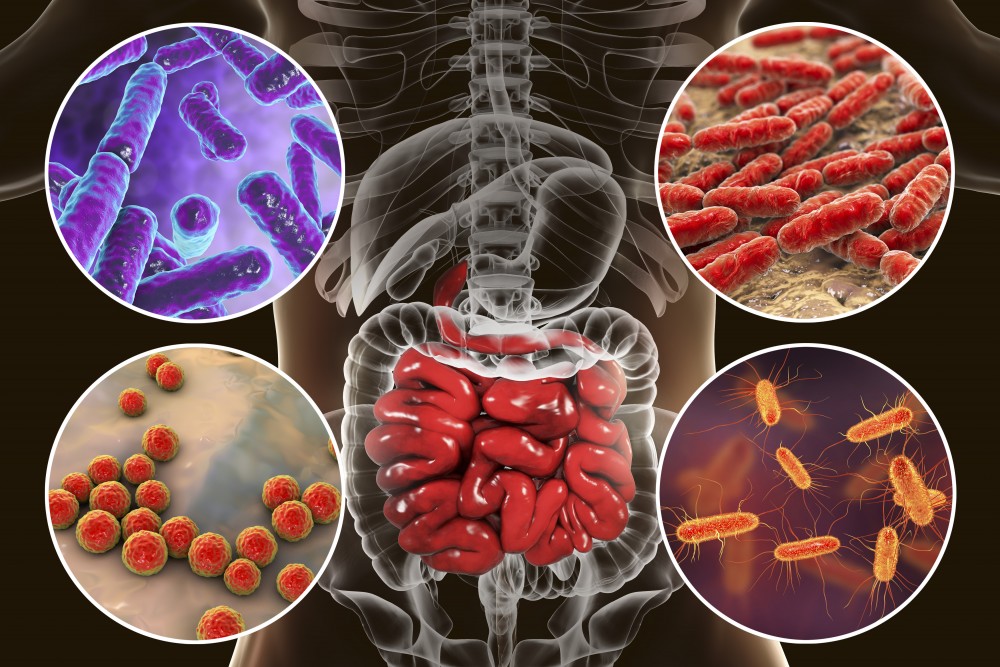
SIBO, or Small Intestinal Bacterial Overgrowth, is a digestive condition in which an excessive number of bacteria develop in the small intestine.
Normally, the largest bacterial population is found in the colon. The small intestine also contains bacteria, but in much smaller amounts. When this balance is disturbed and bacteria multiply excessively in the small intestine, they can ferment food too early, producing gas, bloating, abdominal discomfort and changes in bowel habits.
For many patients, SIBO may look very similar to irritable bowel syndrome. This is why it is often overlooked or misunderstood.
What symptoms can SIBO cause?
The symptoms of SIBO can vary from one person to another. Some patients have mild discomfort, while others experience symptoms that significantly affect their quality of life.
Common symptoms may include:
- bloating, especially after meals;
- excessive gas;
- abdominal pain or cramps;
- visible abdominal distension;
- diarrhea;
- constipation;
- alternating diarrhea and constipation;
- nausea;
- early satiety;
- food intolerances;
- fatigue;
- difficulty maintaining or gaining weight in some cases;
- nutritional deficiencies, especially when malabsorption is present.
One of the most suggestive signs is bloating that appears relatively soon after eating. Many patients describe the sensation as: “I eat very little, but my abdomen becomes swollen as if I had eaten too much.”
This does not mean that every case of bloating is SIBO. Bloating can have many causes. But when the symptom is persistent, recurrent or associated with bowel changes and food intolerance, SIBO should be considered as part of the medical evaluation.
Why does SIBO appear?
SIBO usually develops when the normal defense mechanisms of the small intestine are impaired.
The digestive tract has several ways to prevent excessive bacterial growth in the small intestine: stomach acid, bile, pancreatic enzymes, intestinal motility and the ileocecal valve, which separates the small intestine from the colon.
When one or more of these mechanisms are affected, bacteria may multiply where they should not be present in excess.
Possible contributing factors include:
- slow intestinal motility;
- previous digestive infections;
- abdominal surgery;
- adhesions or structural changes;
- diabetes or other conditions affecting nerve function;
- reduced stomach acid;
- long-term use of certain medications;
- chronic stress;
- inflammatory bowel conditions;
- pancreatic or bile-related digestive problems;
- diets that favor excessive fermentation in sensitive patients.
In clinical practice, it is important not only to identify SIBO, but also to understand why it appeared. Otherwise, symptoms may improve temporarily and then return.
SIBO and food intolerance
Many patients with SIBO notice that they gradually tolerate fewer and fewer foods. Foods that used to be well tolerated may suddenly cause bloating, gas or discomfort.
This happens because bacteria in the small intestine may ferment certain carbohydrates before they are properly absorbed. The result is increased gas production and digestive symptoms.
Some patients start eliminating gluten, dairy, fruits, vegetables, legumes or many other foods. Although temporary dietary restriction may sometimes reduce symptoms, excessive restriction can become a problem. Patients may end up with a very limited diet, anxiety around food and nutritional deficiencies.
This is why dietary intervention in SIBO must be carefully guided. The goal is not to eliminate as many foods as possible, but to calm symptoms while preserving nutritional balance and rebuilding tolerance where possible.
How is SIBO diagnosed?
SIBO is diagnosed based on symptoms, medical history and appropriate testing.
The most commonly used non-invasive method is the breath test, which measures gases such as hydrogen and methane after the ingestion of a test substrate, usually glucose or lactulose. These gases are produced by microorganisms and then detected in the breath.
Hydrogen-dominant patterns are more often associated with diarrhea, while methane-dominant patterns are frequently associated with constipation. However, symptoms do not always follow a perfect pattern, so interpretation must be done carefully.
Breath testing is useful, but it is not perfect. Results must always be interpreted in the context of the patient’s symptoms, medical history, diet, medications and associated conditions.
Medical evaluation may also include blood tests, inflammatory markers, nutritional markers, thyroid assessment, glucose and insulin metabolism, stool testing or microbiome-related investigations, depending on the clinical picture.
Why a personalized approach matters
SIBO is not just a question of “killing bacteria”.
A good therapeutic strategy must take into account several layers:
- the type of symptoms;
- the dominant gas pattern, when available;
- intestinal motility;
- digestive capacity;
- inflammatory status;
- food tolerance;
- nutritional deficiencies;
- stress and nervous system regulation;
- associated metabolic or hormonal issues;
- recurrence risk.
Treatment may include dietary adjustment, targeted antimicrobial therapy or antibiotics when medically indicated, support for motility, correction of deficiencies, digestive support and long-term prevention strategies.
One of the most important principles is to treat not only the bacterial overgrowth, but also the terrain that allowed it to appear.
Can SIBO come back?
Yes, recurrence is possible, especially when the underlying cause is not addressed.
For example, if slow intestinal motility, chronic constipation, adhesions, uncontrolled metabolic issues, or persistent digestive dysfunction persist, symptoms may return after a period of improvement.
This is why prevention is an essential part of SIBO management. The patient needs a plan that not only provides symptom relief but also supports intestinal function in the long term.
What patients should avoid doing on their own
Many patients try to manage SIBO by taking random probiotics, digestive supplements, herbal antimicrobials or very restrictive diets.
This can sometimes worsen symptoms ormore confusion.
Not every probiotic is suitable for every patient. Not every bloating episode requires antibiotics. Not every patient needs a low-FODMAP diet for a long time. And not every digestive symptom is SIBO.
The safest approach is a structured evaluation followed by a personalized plan.
Conclusion
SIBO is a complex digestive condition that may cause bloating, gas, abdominal discomfort, diarrhea, constipation, food intolerance and fatigue. It can mimic irritable bowel syndrome and is often missed when symptoms are treated only superficially.
The key is not only to identify bacterial overgrowth, but also to understand why it developed and how the digestive ecosystem can be restored.
At NutriMedX – Functional and Regenerative Medicine, the evaluation of SIBO is integrated into a broader medical approach that looks at digestion, microbiome balance, inflammation, metabolism, nutrition and the individual context of each patient.
Persistent bloating is not something to ignore. It is a signal that the digestive system needs to be understood, not silenced.