
Metabolic Fatty Liver: Why It Is Not Just a Liver Problem
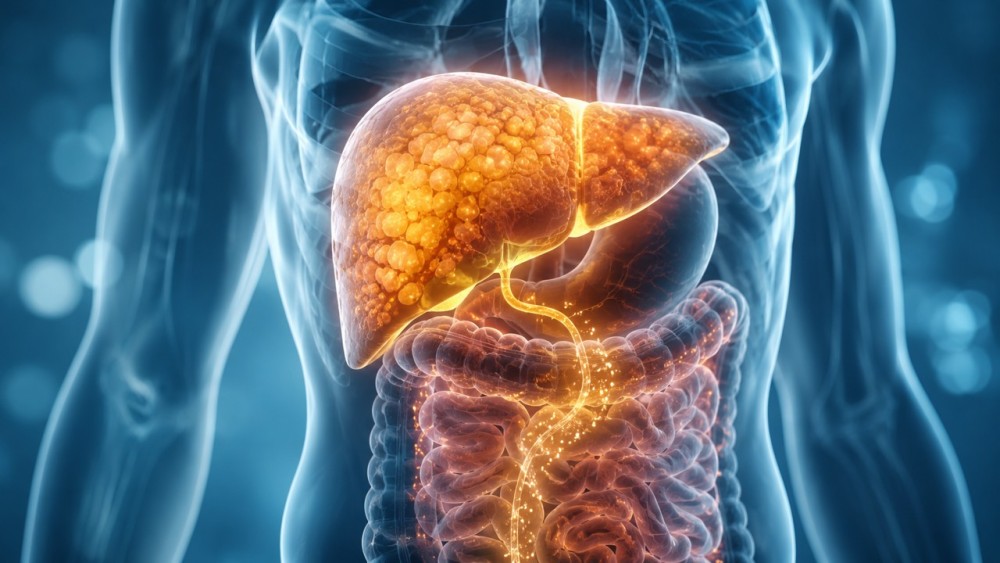
Fatty liver is one of the most common findings on abdominal ultrasound. Very often, patients discover incidentally that they have “hepatic steatosis”, even though liver enzymes may be normal and symptoms are absent or nonspecific: fatigue, abdominal heaviness, slow digestion, bloating, weight gain or sugar cravings.
In recent years, the classical term “non-alcoholic fatty liver disease” has gradually been replaced by a term that better reflects the mechanisms involved: metabolic dysfunction-associated steatotic liver disease, internationally known as MASLD. This change in terminology is important because it shifts the focus from simply excluding alcohol to the most frequent underlying cause: metabolic dysfunction.
Metabolic fatty liver is not just a liver problem. It is often the expression of a broader imbalance involving insulin resistance, abdominal obesity, low-grade inflammation, the gut microbiome, sedentary lifestyle, modern dietary patterns and, in some cases, age-related hormonal changes.
What metabolic fatty liver means
The liver plays a central role in metabolism. It processes carbohydrates, lipids, amino acids, alcohol, medications and numerous metabolites coming from the intestine. When energy intake exceeds the body’s ability to use and store it in a healthy way, the liver may begin to accumulate triglycerides inside hepatocytes.
This accumulation of fat is called hepatic steatosis. Initially, it may be a relatively silent process. The problem arises when steatosis is associated with inflammation, oxidative stress, hepatocellular injury and, over time, fibrosis.
Not all patients with fatty liver progress to severe disease. However, in some patients, especially in the presence of type 2 diabetes, obesity, insulin resistance or metabolic syndrome, the risk of progression is higher. Recent European guidelines define MASLD as the presence of hepatic steatosis associated with at least one cardiometabolic risk factor, in the absence of other dominant causes of steatosis.
Why blood tests can be normal
An important and sometimes misleading aspect is that a patient may have fatty liver on ultrasound but normal liver enzymes. This does not necessarily mean that the liver is metabolically healthy.
Liver enzymes mainly reflect hepatocellular injury at a given moment. They do not always reflect the amount of fat stored in the liver or the degree of metabolic risk. Therefore, a patient with ultrasound evidence of hepatic steatosis should be assessed in context: body weight, waist circumference, fasting glucose, insulin, lipid profile, blood pressure, family history, physical activity level and diet.
In clinical practice, the question should not be only: “Are the liver enzymes elevated?” but also: “Why is the liver accumulating fat?”
Insulin resistance: the central mechanism
Insulin resistance is one of the main mechanisms involved in metabolic fatty liver. When cells respond less efficiently to insulin, the pancreas produces more insulin in order to keep blood glucose within apparently normal limits. This is why a patient may have normal fasting glucose but elevated insulin levels.
High insulin favors energy storage, increases hepatic fat synthesis and makes it more difficult to mobilize already stored fat. At the same time, visceral adipose tissue becomes more metabolically and inflammatory active, releasing free fatty acids and pro-inflammatory mediators that reach the liver.
This creates a vicious circle:
insulin resistance → elevated insulin → hepatic fat accumulation → inflammation → worsening insulin resistance.
This is why fatty liver should not be treated merely as an ultrasound finding. It is frequently the hepatic expression of metabolic syndrome.
Visceral fat and the liver: a direct relationship
Not all excess weight has the same metabolic meaning. Subcutaneous fat and visceral fat do not behave in the same way. Visceral fat, located deep in the abdomen around internal organs, is much more metabolically and inflammatory active.
Patients with increased waist circumference, even without severe obesity, may have significant metabolic risk. Visceral fat is associated with insulin resistance, dyslipidemia, high blood pressure, low-grade inflammation and hepatic steatosis.
Therefore, in the evaluation of a patient with fatty liver, the number on the scale is not enough. Body composition, waist circumference, the ratio between fat mass and muscle mass, sedentary lifestyle and fat distribution all matter.
The gut microbiome and the gut–liver axis
Through the portal vein, the liver receives a large part of the substances absorbed in the intestine. This is why the intestine and liver are directly connected through what is called the gut–liver axis.
The gut microbiome influences the liver through several mechanisms: production of short-chain fatty acids, bile acid metabolism, intestinal barrier integrity, choline metabolism, endotoxin production and modulation of inflammation. In dysbiosis, the intestinal barrier may become more permeable, allowing microbial fragments such as lipopolysaccharides to reach the portal circulation. These may activate hepatic immune cells and maintain local inflammation.
Recent literature describes dysbiosis, intestinal barrier disruption, metabolic endotoxemia and hepatic inflammation as important components in the pathogenesis of MASLD, although these relationships are complex and should not be reduced to a single cause.
This connection explains why a patient with fatty liver may also have digestive symptoms: bloating, altered bowel habits, food intolerances, slow digestion or post-meal discomfort. This does not mean that the microbiome explains everything, but it does mean that the liver should not be evaluated separately from the intestine.
Low-grade inflammation: the slow fire of metabolism
In metabolic fatty liver, inflammation is not always spectacular. It does not necessarily manifest through fever, pain or markedly abnormal laboratory tests. Often, we are dealing with persistent low-grade inflammation, maintained by excess visceral fat, dysbiosis, postprandial hyperglycemia, oxidative stress, sedentary lifestyle and a pro-inflammatory dietary pattern.
This inflammation may affect insulin sensitivity, lipid metabolism, vascular function and the liver’s ability to properly process excess energy. Over time, in some patients, inflammation and oxidative stress may contribute to progression from simple steatosis to metabolic steatohepatitis and fibrosis.
For this reason, the correct approach is not limited to lowering liver enzymes. The goal is to reduce the inflammatory and metabolic terrain that allowed steatosis to develop in the first place.
Why “losing a little weight” is not always enough
Weight loss can significantly improve fatty liver, especially when it reduces visceral fat. However, the approach should not be reduced to the number of kilograms lost.
A patient may lose weight through a very restrictive diet, but also lose muscle mass, worsen fatigue, reduce dietary diversity and quickly regain the lost weight. In this case, the liver may not benefit in the long term.
What matters more is metabolic recomposition: reducing visceral fat, improving insulin sensitivity, increasing muscle mass, stabilizing meals, reducing glycemic load and improving food quality.
The liver does not need “starvation”. It needs a metabolic environment in which it is no longer forced to store excess energy.
Foods and habits that maintain fatty liver
There is no single food responsible for metabolic fatty liver. Most often, the problem is a dietary pattern repeated over months or years.
Frequently involved factors include:
- chronic excess caloric intake;
- frequent consumption of sweets, soft drinks, pastries and refined flour products;
- irregular meals and constant snacking;
- insufficient protein intake;
- low fiber intake;
- high consumption of ultra-processed foods;
- alcohol, even in amounts considered “social”, in vulnerable patients;
- sedentary lifestyle;
- insufficient sleep;
- chronic stress.
Current guidelines consider lifestyle interventions — diet, physical activity, weight loss when needed and control of cardiometabolic risk factors — the foundation of MASLD management.
How we evaluate the patient with metabolic fatty liver
The assessment must go beyond liver ultrasound.
Depending on the case, useful investigations may include:
- fasting glucose, insulin, HOMA-IR and HbA1c;
- complete lipid profile;
- liver enzymes, GGT, alkaline phosphatase, bilirubin;
- uric acid;
- inflammatory markers;
- ferritin and nutritional status;
- vitamin D, vitamin B12, magnesium;
- thyroid function;
- assessment of waist circumference and body composition;
- non-invasive fibrosis risk scores, when indicated;
- gut microbiome assessment in selected cases, especially when digestive symptoms, suspected dysbiosis or associated intestinal inflammation are present.
European guidelines recommend strategies for identifying liver fibrosis through non-invasive tests in patients with cardiometabolic risk factors, abnormal liver enzymes or imaging-confirmed steatosis, especially in those with type 2 diabetes or obesity with additional metabolic risk factors.
Metabolic reconstruction: how we approach fatty liver
The approach to metabolic fatty liver should be staged and personalized.
The first step is reducing metabolic overload. This means lowering the intake of sugars, refined carbohydrates, alcohol, frequent snacks and ultra-processed foods. It is not about achieving a perfect diet, but about reducing the stimuli that increase insulin and maintain hepatic fat storage.
The second step is meal stabilization. For many patients, simply structuring meals, increasing protein intake and reducing constant snacking can significantly improve hunger control, sugar cravings and post-meal energy.
The third step is increasing fiber and polyphenol intake, according to digestive tolerance. Vegetables, well-tolerated legumes, whole fruits, seeds, selected whole grains and polyphenol-rich foods can support the microbiome and metabolism. In patients with significant bloating, fiber should be increased gradually.
The fourth step is physical activity, including resistance training. Muscle mass is a metabolic organ. The better the muscle takes up glucose, the less overburdened the liver becomes. Therefore, in patients with fatty liver, exercise is not only about “burning calories”, but about improving insulin sensitivity.
The fifth step is correcting deficiencies and supporting liver and digestive function when needed. This must be individualized according to blood tests, symptoms, medication, age, weight, digestion and clinical objectives.
The role of the microbiome in the therapeutic plan
In patients with metabolic fatty liver and digestive symptoms, the microbiome can become an important part of the plan. Not because there is a single “fatty liver bacterium”, but because the intestinal ecosystem influences inflammation, bile acid metabolism, nutrient absorption, food tolerance and the signals that reach the liver.
In some cases, it may be useful to assess dysbiosis, intestinal inflammation, fermentation capacity and markers related to the intestinal barrier. Depending on the results, interventions may include dietary adjustments, prebiotics, probiotics, polyphenols, correction of constipation, restoration of fiber tolerance and reduction of foods that maintain symptoms.
The important point is that the microbiome should not be treated separately from metabolism. In a patient with fatty liver, the microbiome, insulin, liver, adipose tissue and lifestyle must be viewed together.
When fatty liver should be taken more seriously
Fatty liver should not be ignored, even if the patient feels relatively well. A more detailed evaluation is recommended when there is:
- type 2 diabetes or prediabetes;
- abdominal obesity;
- high blood pressure;
- elevated triglycerides or low HDL cholesterol;
- elevated liver enzymes or GGT;
- moderate or severe steatosis on ultrasound;
- family history of diabetes, cardiovascular disease or liver disease;
- rapid weight gain;
- marked sedentary lifestyle;
- regular alcohol consumption;
- persistent associated digestive symptoms.
In these patients, the goal is not only “to make the fat disappear from the liver”, but to reduce long-term metabolic and cardiovascular risk.
Conclusion
Metabolic fatty liver is not just an ultrasound finding and not just a liver problem. It is a signal that metabolism, insulin, visceral fat, inflammation, the gut microbiome and lifestyle are no longer functioning in balance.
An effective approach cannot be limited to the general recommendation “lose weight”. A personalized evaluation is needed: why is the liver accumulating fat, what role does insulin resistance play, what is happening with the microbiome, how active is inflammation, what does the patient eat, how do they sleep, how much muscle mass do they have and what can realistically be changed?
Fatty liver can be an early warning sign. If taken seriously, it can also become an opportunity: the moment when the patient rebuilds metabolism before the imbalance becomes advanced chronic disease.
Assoc. Prof. Dr. Sanda Maria Crețoiu
Physician, PhD in Medical Sciences
Founder of NutrimedX – Functional and Regenerative Medicine
“Carol Davila” University of Medicine and Pharmacy, Bucharest
Selected bibliography
- European Association for the Study of the Liver, European Association for the Study of Diabetes, European Association for the Study of Obesity. EASL–EASD–EASO Clinical Practice Guidelines on the management of metabolic dysfunction-associated steatotic liver disease. Journal of Hepatology. 2024.
- Rinella M.E. et al. AASLD Practice Guidance on the clinical assessment and management of nonalcoholic fatty liver disease. Hepatology. 2023.
- Scarpellini E. et al. Gut Microbiota and Metabolic Dysfunction-Associated Steatotic Liver Disease. 2024.
- Rusman R.D. et al. Gut microbiota and metabolic-associated steatosis liver disease. 2025.
- Hamamah S. et al. Dietary Influences on Gut Microbiota and Their Role in Metabolic Dysfunction-Associated Steatotic Liver Disease. 2024.